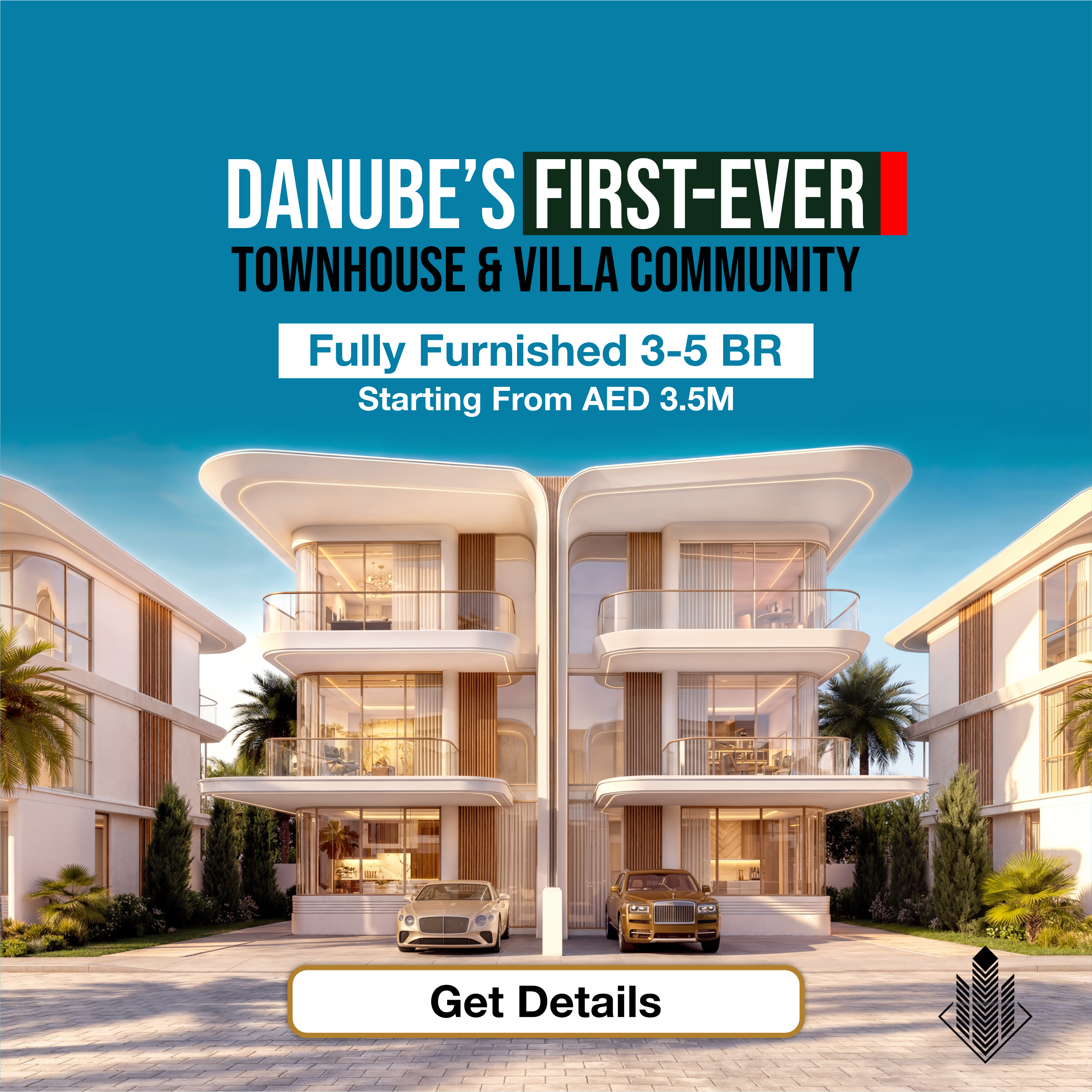
Off plan properties in Dubai accounted for approximately 70% of total transactions in Q1 2026, making them the dominant force in the emirate's real estate market. These pre-construction units offer flexible payment plans and early-bird pricing, but they also carry delivery risks and quality uncertainties that require careful evaluation before booking.
Why Off-Plan Attracts Buyers
The Dubai off-plan market continues to draw both local and international investors, supported by structural advantages that make property ownership more accessible than traditional ready-home purchases.
Pricing Advantages and Payment Flexibility
Off-plan units are typically priced 10 to 20% below comparable ready properties at launch, providing buyers with immediate equity on paper. This discount reflects the developer's need to secure early funding and gauge market demand before construction completion.
Payment plans have become increasingly buyer-friendly. Most Dubai property developers offer 10 to 20% down payment structures, with the remaining balance spread across construction milestones or extended over two to five years post-handover. Popular structures include 80/20 plans where 80% is paid during construction and 20% at handover, as well as post-handover schemes that allow buyers to generate rental income while continuing to pay instalments.
Developers like Emaar, DAMAC, and Danube frequently promote schemes where a large portion of the balance is settled after handover, giving buyers wider selection and improved cash flow management. This approach reduces immediate liquidity pressure and enables portfolio diversification without requiring massive upfront capital.
Access to New Stock and Emerging Communities
Off-plan buyers gain first access to newly launched projects in high-growth corridors like Dubai Creek Harbour, Dubai South, and Dubai Islands. These areas benefit from infrastructure expansion, metro line extensions, and government-backed master planning that drive long-term value appreciation.
Properties purchased during early construction phases may gain 15 to 20% in value before completion, creating opportunities for capital appreciation without immediate rental responsibilities. Early buyers in high-demand developments often realise short-term profits by reselling before handover, particularly in projects from reputable builders with strong track records.
Golden Visa Eligibility and Investor Incentives
Buyers who invest a minimum of AED 2 million based on Dubai Land Department official valuation become eligible for the UAE's 10-year Golden Visa, providing long-term residency for themselves and their families. Many off-plan projects from established developers like Emaar and Sobhameet this threshold, making them attractive to expatriates seeking residency alongside investment returns.
Dubai's tax-free environment further enhances appeal, with no property tax, no capital gains tax on residential real estate, and the AED pegged to the USD for currency stability.
What Risks Deserve Attention
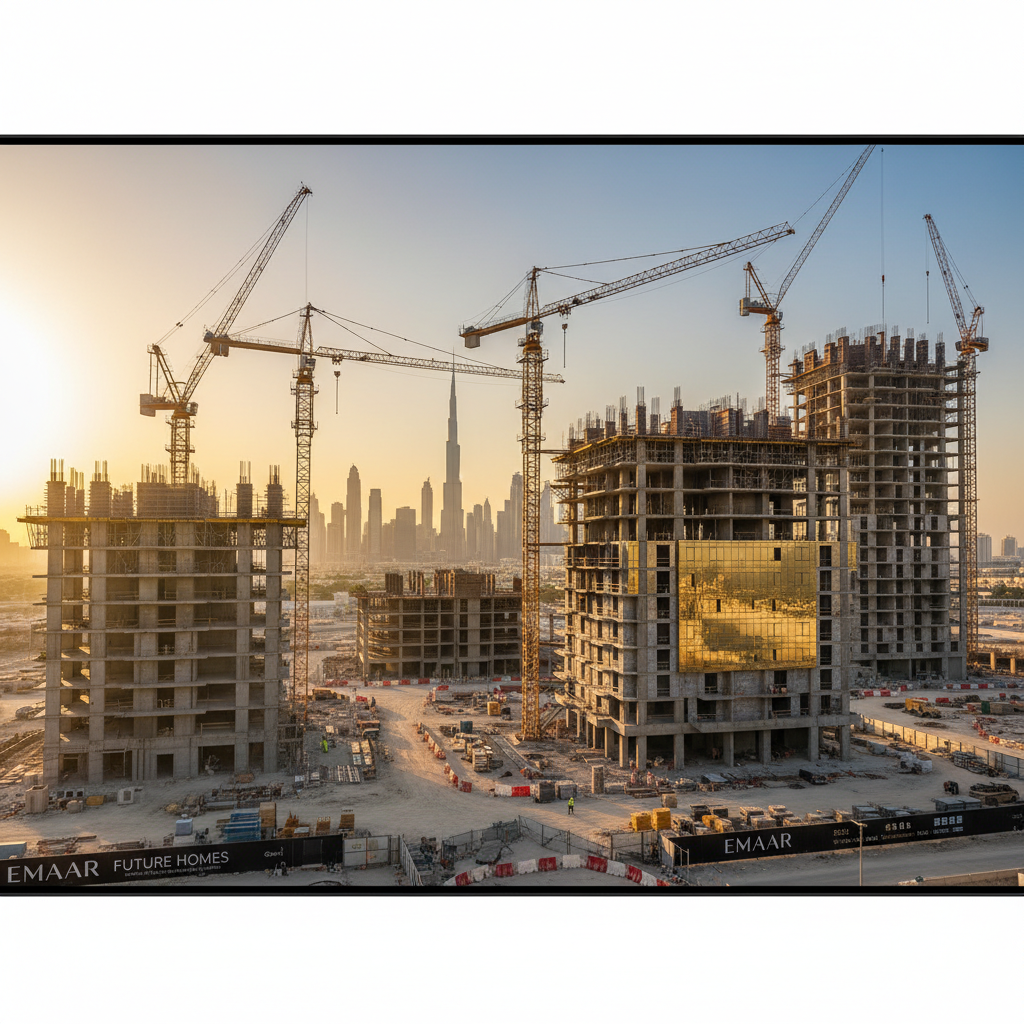
While off-plan properties offer compelling advantages, buyers face execution risks that require active due diligence and realistic expectations about project delivery.
Construction Delays and Timeline Uncertainty
Delays remain the most frequent challenge for off-plan investors. Knight Frank reports that on-time completion improved to 64% in 2025, up from 50% in 2024, but this still means more than one-third of projects experience delays due to supply chain issues, labour shortages, or developer cash flow constraints.
A project promised for 2026 completion might slide into 2028, affecting rental income projections and exit strategies. If project cancellation occurs, RERA protocols ensure escrow funds are returned, but buyers lose time and opportunity cost. The legal process to recover funds can be lengthy and bureaucratic.
Quality Variations and Finishing Standards
Buyers commit to properties based on glossy brochures and rendered images, but the finished product may differ from marketing materials. While Dubai has introduced Law No. 7 of 2025 to tighten contractor registration and subcontracting controls, quality inconsistencies still occur, particularly in projects with multiple subcontracting layers.
Snagging reports and handover inspections remain essential. Buyers should conduct thorough walkthroughs before accepting possession and ensure any defects are documented and addressed by the developer. Working with experienced agencies helps filter out projects with poor workmanship track records.
Contract Terms and Exit Restrictions
Off-plan contracts contain specific clauses around delay compensation, finishing standards, and resale permissions that buyers often overlook. Many developers restrict resale until a minimum payment threshold is met and require a No Objection Certificate before transfer, which attracts a 4% DLD fee on the transaction value.
If a buyer misses an instalment payment, developers may charge penalties or, in severe cases, terminate the contract and retain a percentage of payments already made. Understanding these terms before signing is crucial to avoid financial exposure.
Market Volatility and Oversupply Concerns
Dubai's registered development pipeline for 2026 remains large. Cushman & Wakefield expects around 55,000 units to be delivered in 2026, with pressure concentrated in mid-market segments like Jumeirah Village Circle, Business Bay, and Arjan. Buyers in areas with heavy new supply face slower price growth or temporary stagnation as absorption takes time.
Off-plan apartments averaging AED 2,100 per square foot may face rental yield compression if too many units enter the market simultaneously. Investors should assess location-specific supply dynamics rather than relying on city-wide averages.

How to Compare Different Projects
Selecting the right off-plan project requires systematic evaluation across developer reputation, location fundamentals, and exit logic rather than relying solely on marketing materials or launch-day hype.
Developer Reputation and Delivery Track Record
Developer selection is the single most important variable in off-plan investment. Established players like Emaar Properties, which recorded AED 30.17 billion in Q1 2026 sales, bring scale, institutional transparency, and decades-long development history with thousands of delivered homes.
Emaar's credit rating upgrade to BBB+ from S&P Global in 2025 reflects financial stability and market confidence. Their communities typically deliver rental yields of 5 to 7% with strong capital appreciation driven by brand prestige and infrastructure maturity.
DAMAC Properties, the largest private developer, has significantly upgraded construction quality over the past three years, particularly in DAMAC Hills, Lagoons, and Cavalli-branded towers. While historically facing mixed reviews around snagging and handover delays, DAMAC's recent performance shows improved reliability and customer satisfaction.
Buyers should verify project registration on the Dubai REST app, review the developer's past completion timelines, and confirm escrow account status. Working with House Finder provides access to independent analysis of developer performance and project-specific risk assessments.
Location Analysis and Infrastructure Timing
Location determines long-term performance more than property type. Areas with finite land supply, established infrastructure, and proven tenant demand offer more resilient value.
Waterfront and ultra-prime locations like Palm Jumeirah, Emaar Beachfront, and Dubai Creek Harbour carry different risk profiles than high-volume mid-market corridors. Supply is limited by geography, and demand is driven by global buyer pools less sensitive to local market dynamics.
Villa and townhouse communities in Dubai Hills Estate, Arabian Ranches, and Al Barari operate under fundamentally different supply constraints. Land is finite, density is low, and the development cycle is longer, creating structural insulation from oversupply pressure.
Buyers should assess infrastructure milestones like metro extensions, highway access, and community amenity delivery timelines. Properties near completed or advancing infrastructure typically show faster appreciation than those relying on future announcements.
Exit Logic and Rental Yield Projections
Every off-plan purchase should have a clear exit strategy defined before booking. Investors must decide whether they plan to flip before handover, hold for rental income, or occupy as end-users.
Flipping strategies work best in high-demand projects from tier-one developers where early-stage pricing offers meaningful discounts. Resale liquidity depends on developer reputation, location appeal, and market timing.
Rental strategies require realistic yield projections. Dubai's average gross yields remain strong at 6 to 8%, higher in mid-market areas at 7 to 9%, but individual project performance varies significantly. Buyers should model rental income using current market rates rather than developer projections, factor in service charges and maintenance costs, and stress-test against potential vacancy periods.
End-users prioritise community infrastructure, school access, lifestyle amenities, and long-term liveability over short-term capital gains. These buyers benefit from locking in current prices while paying over time, but should verify handover timelines align with their occupation needs.
When House Finder Adds Value
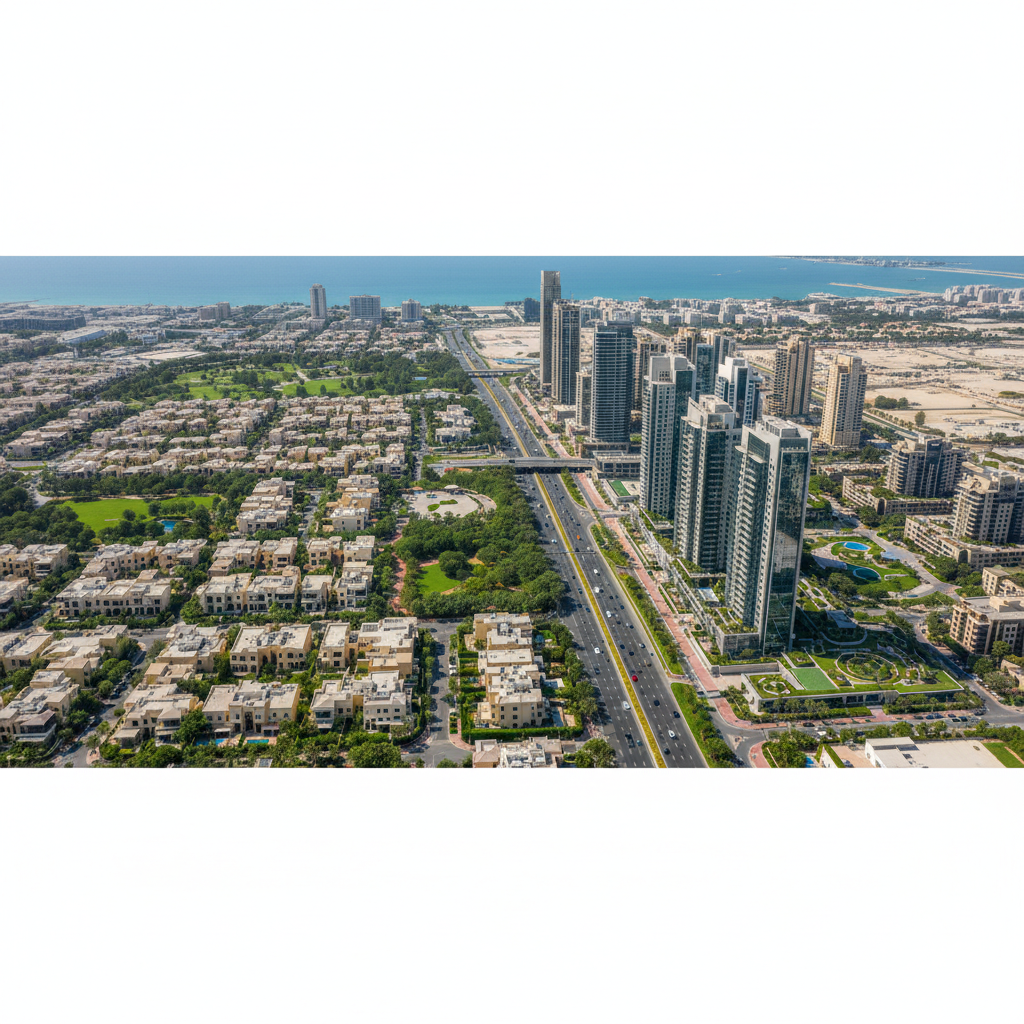
Navigating Dubai's off-plan market requires independent expertise that bridges the gap between developer marketing and on-ground reality. House Finder provides strategic advisory that helps buyers assess project fit and timing based on their specific investment goals.
Independent Project Vetting and Developer Analysis
House Finder conducts comprehensive due diligence on developer track records, reviewing past completion timelines, construction quality feedback, and snagging report trends. This independent assessment filters out projects with execution risk before buyers commit capital.
Our analysis covers escrow account status, RERA registration verification, and contractor classification under Law No. 7 of 2025. We evaluate developer financial stability using publicly available data, credit ratings, and market intelligence to assess completion probability.
Timing and Market Cycle Positioning
Entry timing significantly impacts returns. House Finder monitors supply wave dynamics, absorption rates, and pricing trends across Dubai's micro-markets to identify windows where off-plan purchases offer maximum value relative to ready alternatives.
In Q1 2026, off-plan properties dominated market activity, accounting for 73% of all transactions with a 10.3% year-on-year increase. However, not all launches present equal opportunity. Our advisors distinguish between genuine value projects and those launched into oversupplied segments where appreciation potential is limited.
Negotiation Support and Contract Review
House Finder negotiates on behalf of buyers to secure preferred units, optimal floor levels, and favourable payment terms. Our familiarity with developer practices and market benchmarks enables us to advocate effectively for client interests.
We review sales and purchase agreements to identify unfavourable clauses around delay penalties, resale restrictions, and finishing specifications. This legal clarity protects buyers from unexpected liabilities and ensures contractual alignment with investment objectives.
Post-Purchase Transaction Management
Our support extends beyond booking to include milestone payment tracking, handover coordination, snagging inspection arrangement, and post-handover rental or resale assistance. This end-to-end service ensures clients realise their intended returns without operational friction.
For investors purchasing from overseas, House Finder acts as boots-on-ground representation, providing construction progress updates, managing developer communications, and coordinating property management once units are completed.

Frequently Asked Questions
What percentage of off-plan projects in Dubai are delivered on time?
Approximately 64% of projects were delivered on time in 2025, according to Knight Frank, up from 50% in 2024.
Can I get a mortgage for an off-plan property in Dubai?
Yes, several UAE banks offer mortgage products for off-plan properties, with a registration fee of 0.25% of the loan amount plus AED 290.
What happens if a developer cancels an off-plan project?
RERA protocols ensure escrow funds are returned to buyers, though the legal process to recover funds can be lengthy.
Are off-plan properties eligible for the Golden Visa?
Yes, properties valued at AED 2 million or more based on DLD official valuation qualify for the 10-year Golden Visa.
Can I resell an off-plan property before handover?
Yes, subject to developer approval and minimum payment thresholds, with a 4% DLD transfer fee on the transaction value.
Final Considerations
Off-plan properties in Dubai present viable opportunities for investors seeking flexible entry and potential returns, supported by the city's robust fundamentals and developer-friendly payment structures. However, success depends on selectivity, focusing on prime locations, reputable developers, and projects aligned with long-term demand rather than short-term marketing narratives. Buyers who conduct thorough due diligence, understand contract terms, and work with independent advisors position themselves to capitalise on Dubai's growth while managing execution risks effectively.